Qualcomm Selects 10 African Startups for Its 2026 "Make in Africa" Programme
Qualcomm has named 10 early-stage African startups — from Kenya, Nigeria, Ghana, Zimbabwe, Uganda, and Namibia — for its flagship Make in Africa 2026 programme, offering mentorship, cloud credits, and engineering support.
Qualcomm has officially announced the 10 African startups selected for its flagship 2026 Make in Africa programme, shining a spotlight on a new generation of deep-tech innovators building solutions for connectivity, artificial intelligence, and hardware across the continent.
The selected companies will receive eight months of technical mentorship, engineering support, cloud computing credits, and increased visibility with global investors. One standout participant will also receive a grant from Qualcomm's Social Impact Fund.
The 10 startups represent a broad cross-section of African innovation:
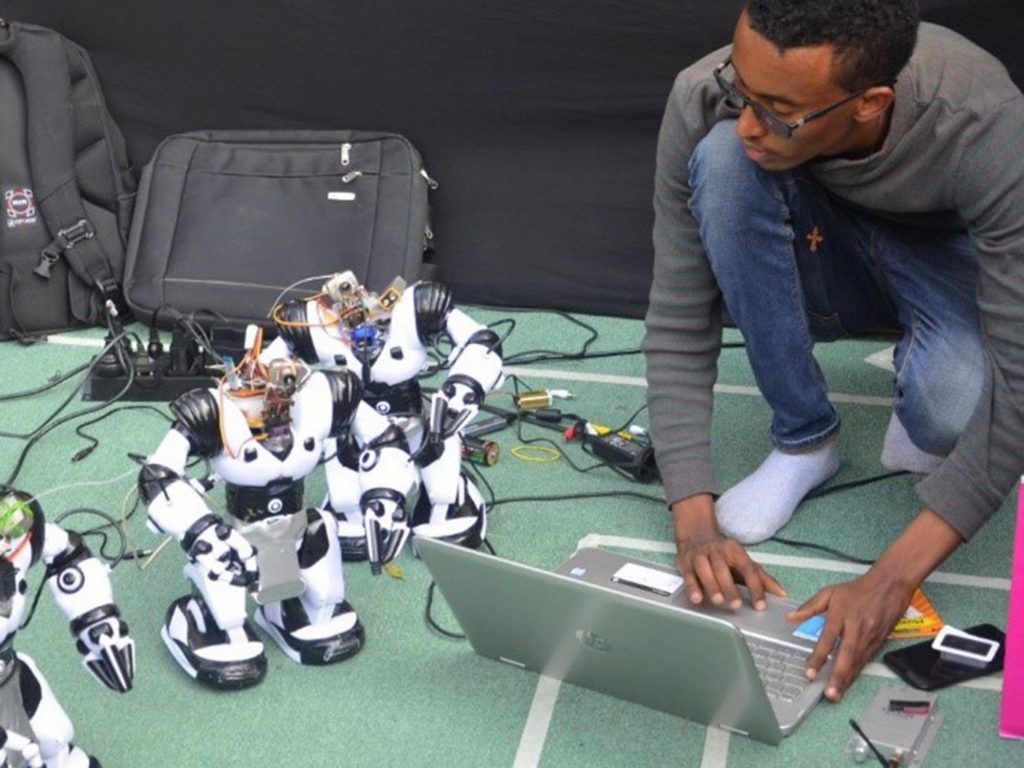
Amperra Charging Company (Namibia) is developing an AI-driven, grid-adaptive smart EV charging platform designed to accelerate electric mobility across Africa. Zerobionic (Kenya) is building AI-powered humanoid robots and speech-to-sign language tools to improve digital accessibility for persons with disabilities. Sesi Technologies (Ghana) has created an AI-powered cocoa quality assessment device to improve transparency in agricultural supply chains. TWave (Uganda) is deploying automated solar-powered fish feeding systems for the aquaculture industry. Mindora Corporation (Zimbabwe) is working on a Braille keyboard solution to connect visually impaired users to the digital economy.
Other selected companies from Nigeria include Anatsor, which has built an integrated digital poultry management system, and D-Olivette Labs, which provides bio-intelligence data for sustainable agriculture.
The announcement came against a broader backdrop of cautious optimism about African innovation. A recent report from the Pan-African Manufacturers Association noted that Africa's share of global foreign direct investment has remained stuck between 4 and 6 percent for a decade, with FDI inflows falling 38 percent in 2025 to $59 billion even as global FDI rose by 14 percent.
Programmes like Qualcomm's Make in Africa are seen as critical bridges — linking African founders with the global technical resources and networks needed to compete at scale.